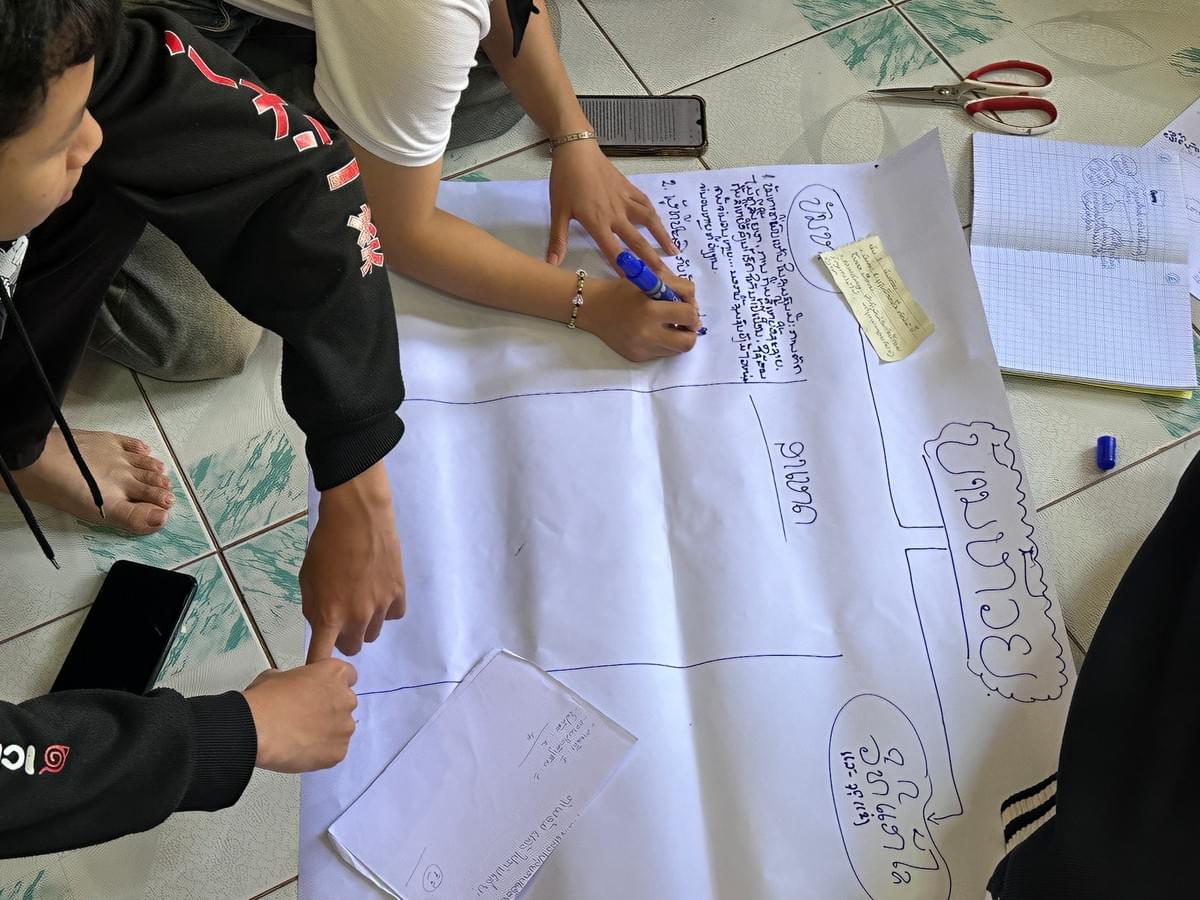
“IntegratingPoverty Alleviation in Green Development SectorsTraining” - STP keychain funding
“If you could solve one problem in your community with a green business, what would it be?” We threw this question at a room full of young people aged 15 to 25, unsure what we’d get back. What followed wasn’t just a list of ideas. It was a blueprint for a different Laos — drawn by the generation that will actually have to build it.
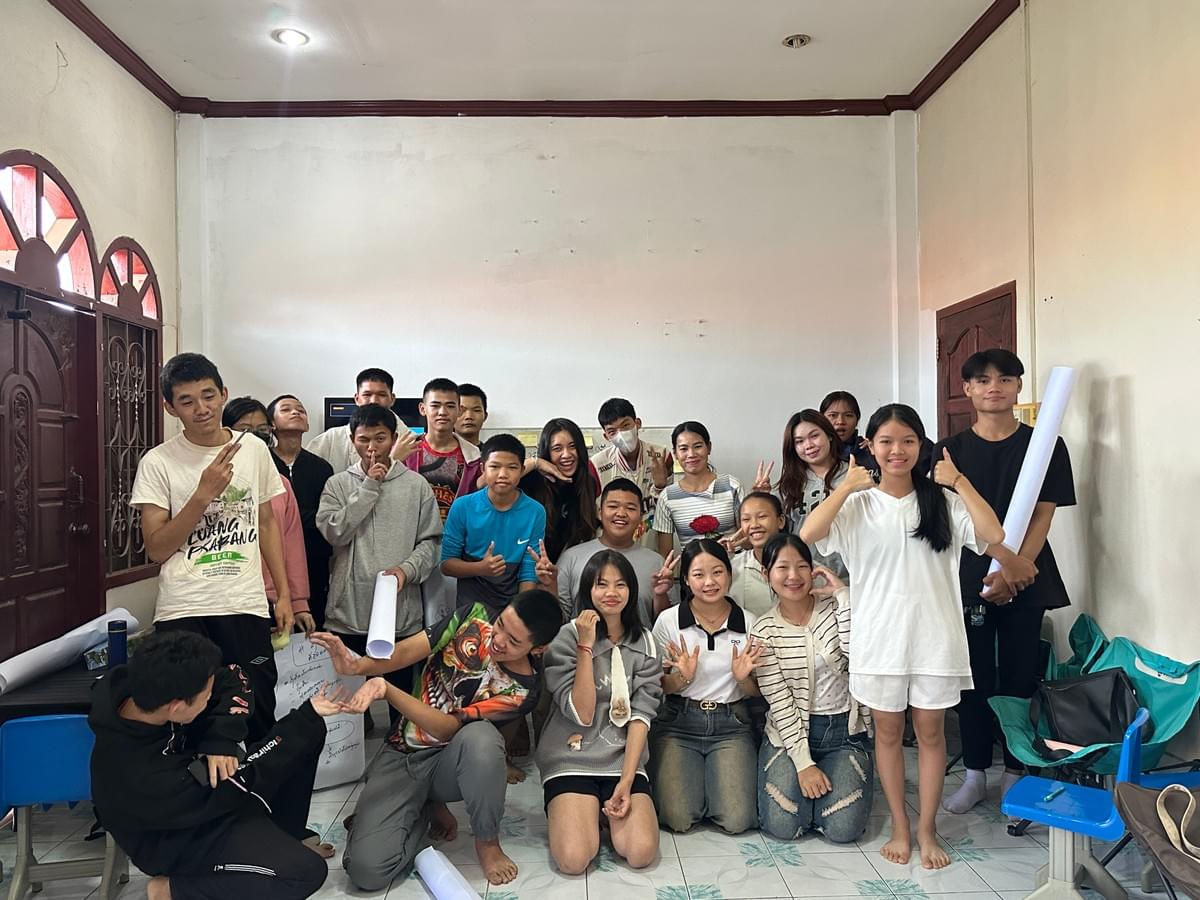
Recently, we gave a free training program using our STP keychains profit called
“Integrating Poverty Alleviation in Green Development Sectors.” to train youth at Children's Education and Culture Center
On paper, it was just a one-afternoon workshop. But it turned into a space where two things that should never have been separated—protecting the environment and fighting poverty—finally came together through the voices of young people.
We started with icebreakers—silly games and a bit of laughter to break the ice. You can’t have honest conversations about tough topics like poverty or climate change if people don’t feel comfortable, so we focused on building that safe environment first.
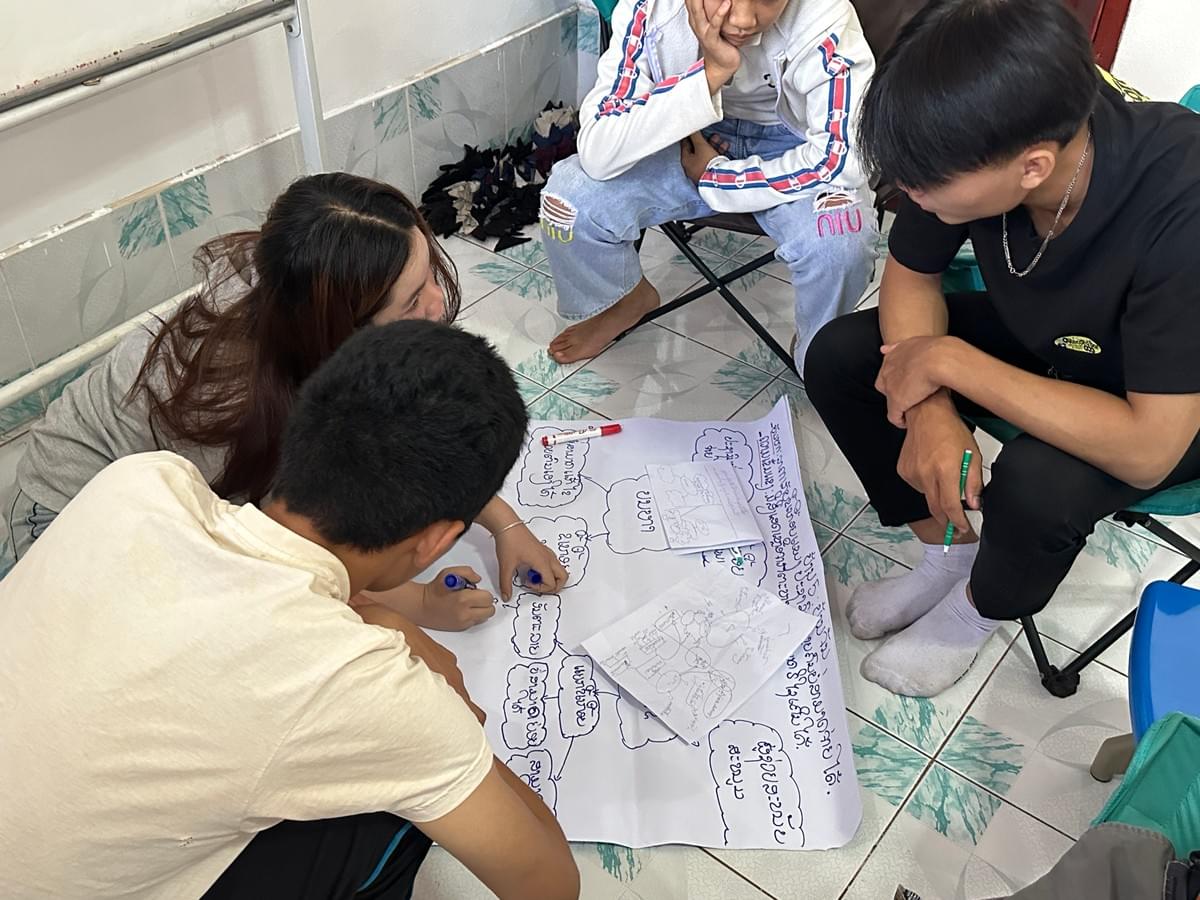
From there, we moved into the heart of the training: connecting green development with poverty alleviation.
We didn’t lecture. We explored together — what green business actually looks like in Laos, how local policies shape communities, and why a healthy environment and a stable income are two sides of the same coin. The conversation shifted from abstract to personal. These young people know deforestation. They know what it means when a crop fails or a village lacks clean water. What they hadn’t done before was connect those struggles to the word “sustainability,” or imagine themselves as the ones solving them.
Next, we talked about career and scholarship opportunities in the environmental sector. We wanted to show everyone that "green jobs" aren't just about forestry or conservation—the field also needs engineers, entrepreneurs, policy advisors, and community organizers. Caring about the planet isn’t just for activists or environmentalists; it’s a viable career path, and there are actually scholarships out there to help them pursue it.
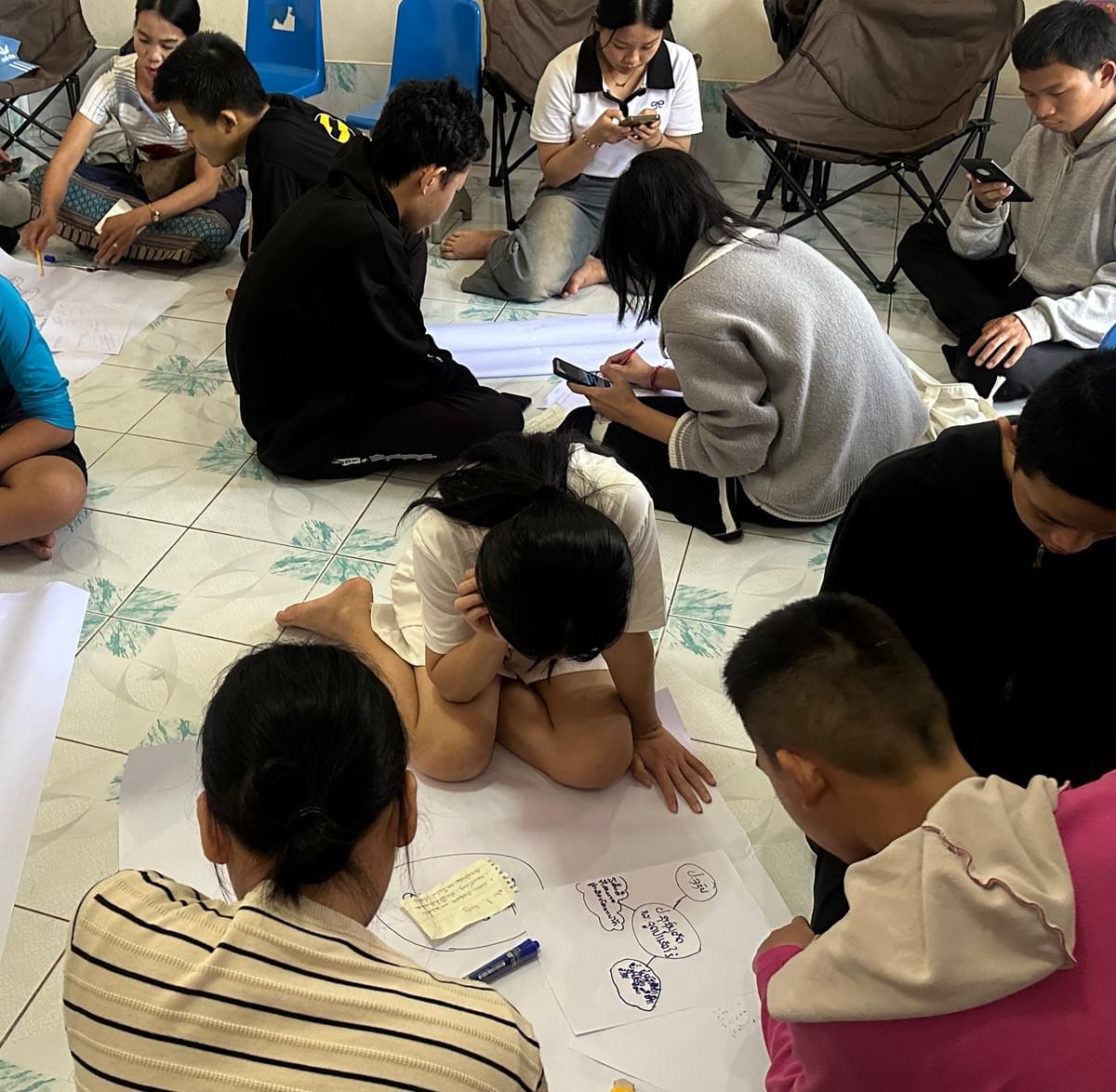
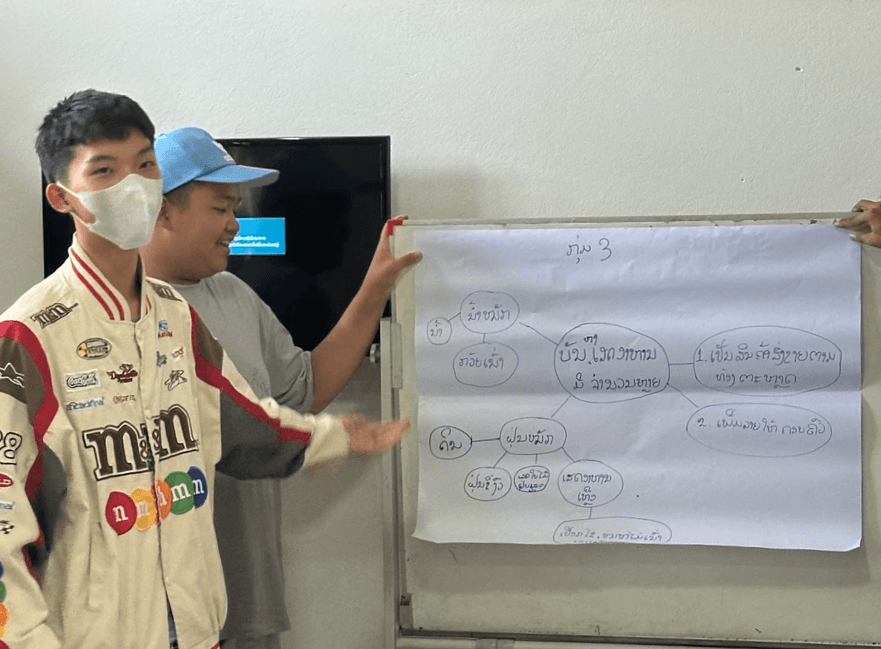
After a quick break, we got into the best part of the day. We split everyone into small groups and gave them a challenge: design a green business idea that tackles a real, poverty-related issue in a community they know firsthand.
The room instantly got louder. Papers were filled with ideas, and there was a great mix of friendly debating, laughter, and a bit of nervous energy before the pitches. One team designed a community-led recycling center aimed at creating local jobs and cutting down on waste. Another proposed a community food composting project to produce organic fertilizer to sell to local farmers. These weren't polished corporate presentations, and that’s exactly why they were so good. They were practical, hopeful, and rooted in real life.
Looking back, we achieved exactly what we wanted to—just in a way that goes way deeper than any checklist. Awareness grew, career paths opened up, and a real network started to form. All it took was a solid program, and a team that genuinely cared.
Green development in Laos doesn’t need outsiders to save it. It just needs young people who feel equipped, connected, and brave enough to take the lead. And sometimes, all it takes to kick that off is an invitation, a safe space, and a simple question: What if I can fix this?